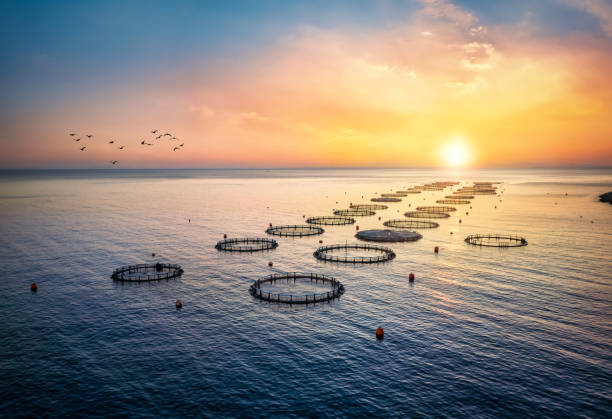
1. Sustainability and Food Security
- Growing Demand for Seafood: With wild fish stocks under pressure, aquaculture offers a sustainable alternative to meet rising global seafood demand.
- Reduced Overfishing: Responsible aquaculture reduces reliance on overexploited wild fisheries.
- Innovation in Eco-Friendly Practices: Many aquaculture companies are leading innovations in sustainable feed, water recycling, and disease control.
💰 2. Strong Economic Potential
- High Growth Industry: Aquaculture is one of the fastest-growing sectors in food production globally.
- Scalability: Many companies are leveraging technology to scale production efficiently.
- Diversified Products: From fish and shrimp to seaweed and shellfish, the industry offers a broad product base.
🧪 3. Technological Innovation
- Use of AI and Automation: Leading companies use advanced tech to monitor fish health, optimize feed, and reduce waste.
- Genetic Improvements: Selective breeding and biotechnology are improving growth rates and resistance to disease.
- Land-Based and Offshore Systems: Innovation in recirculating aquaculture systems (RAS) and offshore farming is revolutionizing the sector.
🌍 4. Environmental and Social Impact
- Carbon Footprint: Farmed seafood generally has a lower carbon footprint than beef or lamb.
- Coastal Community Support: Many aquaculture operations support rural economies and create jobs in coastal areas.
- Climate Resilience: Seaweed and bivalve farming contribute to ocean health and can sequester carbon.
📈 5. Investment and Market Opportunities
- Institutional Interest: Major investors are backing sustainable aquaculture for long-term returns.
- Export Opportunities: High-quality farmed seafood is in demand globally.
- Consumer Trends: Rising demand for high-protein, low-fat food makes aquaculture products increasingly popular.
🎯 When You Might Choose an Aquaculture Company
- As a Buyer: For consistent, scalable, and traceable seafood supply.
- As an Investor: For exposure to a growing, sustainability-focused industry.
- As a Partner: To collaborate on R&D, logistics, or value-added processing.
- As a Job Seeker: If you’re passionate about marine science, sustainability, or food technology.